Building a Balanced Plate for Better Health
Building a Balanced Plate for Better Health
Creating a nutritious meal is like painting a masterpiece. The right ingredients, in the right amounts, can make all the difference. A balanced plate is essential for maintaining good health and provides your body with what it needs to function best. Let's explore how to put together a meal that ticks all the boxes.
The Magic of a Balanced Plate
A balanced plate consists of various nutrients that complement each other. It's not just about filling your stomach; it's about providing your body with the vital nutrients it needs.
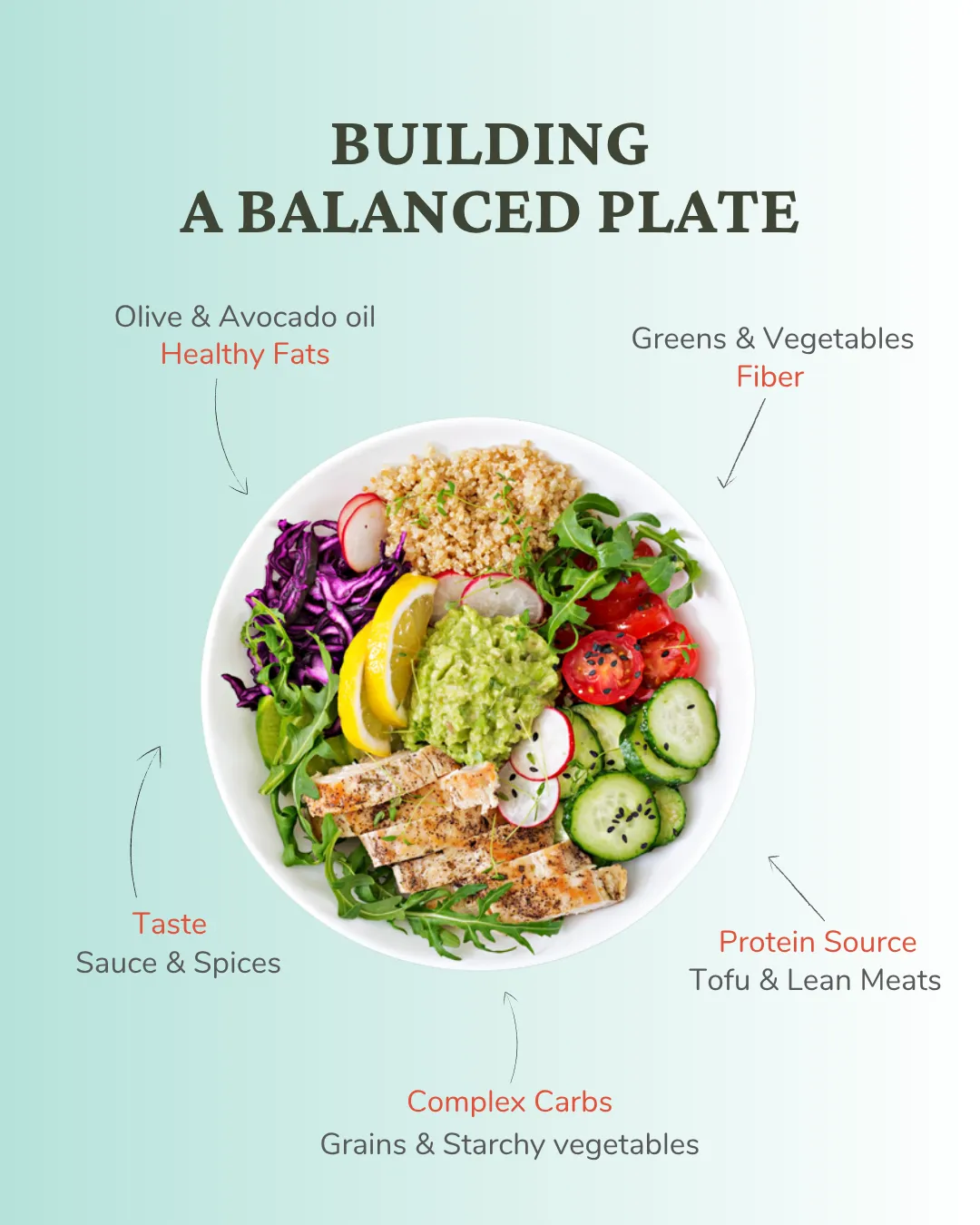
- Proteins: Proteins are the building blocks of the body. They play a crucial role in repairing tissues and building muscles. Proteins also help keep you feeling full longer. Consider including tofu, lean meats, or beans as your protein source.
- Healthy Fats: Fats are necessary for absorbing vitamins and keeping your brain healthy. Olive oil and avocado oil are excellent choices to include in your meals.
- Fiber: Fiber is essential for digestion and helps keep your digestive system clean. Including greens like spinach and broccoli will provide the fiber your body needs.
- Complex Carbs: Carbohydrates provide energy to power you through the day. Opt for whole grains and starchy vegetables like sweet potatoes to get the best quality carbs.
- Taste: Sauces and spices can enhance the flavor of your meals without adding extra calories. Experiment with herbs and spices to make your meals delicious.
Steps to Building Your Balanced Plate
- Start with a Protein Base: Select a source of protein like grilled chicken or tofu. Ensure it fills about ¼ of your plate.
- Add Healthy Fats: Drizzle some olive oil or add a few slices of avocado to your meal.
- Incorporate Fiber-rich Vegetables: Fill ½ of your plate with a variety of colorful vegetables such as bell peppers, cucumbers, and greens.
- Include Complex Carbohydrates: Fill the remaining ¼ of your plate with grains like quinoa or brown rice, or starchy vegetables.
- Spice It Up: Add spices and herbs to jazz up your dish. Lemon, basil, and cumin are great choices to enhance flavor.
The Benefits of Eating a Balanced Plate
Eating balanced meals has numerous advantages. It boosts your energy levels, helps maintain a healthy weight, and improves focus and concentration. Moreover, a balanced diet reduces the risk of chronic diseases.
Tips for Maintaining a Balanced Diet
- Plan Your Meals: Keep a weekly meal plan to ensure you include all food groups.
- Grocery Shopping: Make a list of healthy options before you shop to avoid unhealthy choices.
- Practice Portion Control: Be aware of portion sizes to avoid overeating.
- Stay Hydrated: Drink plenty of water throughout the day.
In conclusion, creating a balanced plate is about variety and nutrition. It might seem challenging initially, but with practice, it becomes easier to prepare meals that nourish your body effectively. Start today and watch how you feel healthier, happier, and more energized.